 Skeinote
Swap the yarn, keep the count right.
Tell Skeinote what your pattern calls for and the yarn you would rather use. It works out how many skeins to buy from the makers’ own labels, shows its arithmetic, and says plainly when a figure is not published.
Every figure links to the maker’s page with the date we read it. Skeinote never guesses, and it never calls two yarns a match. Read how it works.
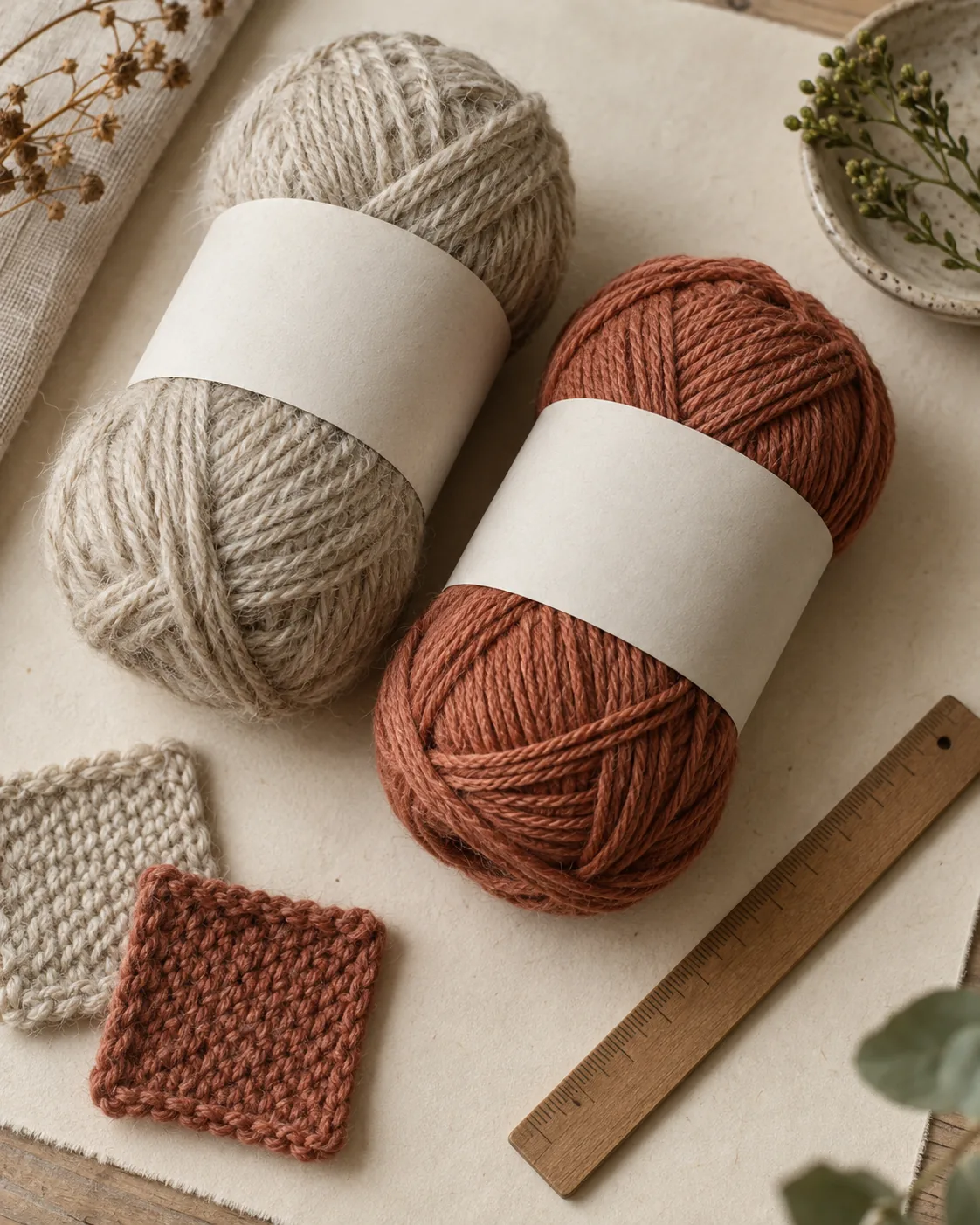
Pick both yarns and the pattern quantity.
You will get the total length the pattern needs, the skeins of the new yarn that cover it, and both makers’ printed figures side by side, with a link to each label.
Before you substitute
Short guides on the parts the calculator cannot decide for you.
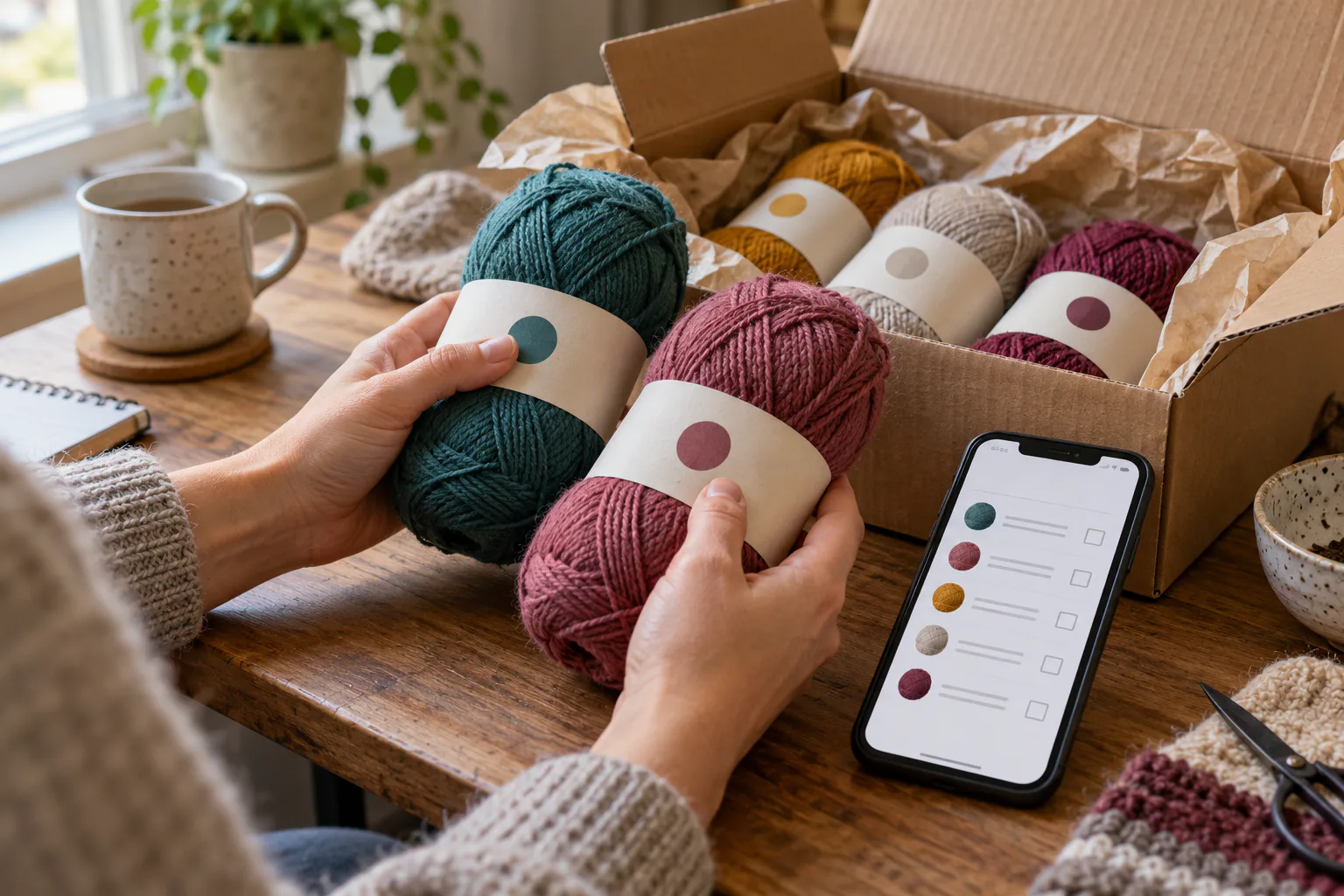
Buying yarn online: what to check before you order
A pre-order checklist for yarn you cannot touch: confirm the exact line, compare length and gauge, buy the full amount in one dye lot, and read the return terms before you pay.

Holding two strands of yarn together: what weight it makes and how much to buy
Two strands of a finer yarn approximate one strand of a thicker category. See Lion Brand's equivalents, why they are approximate, and how to work out the yardage to buy.
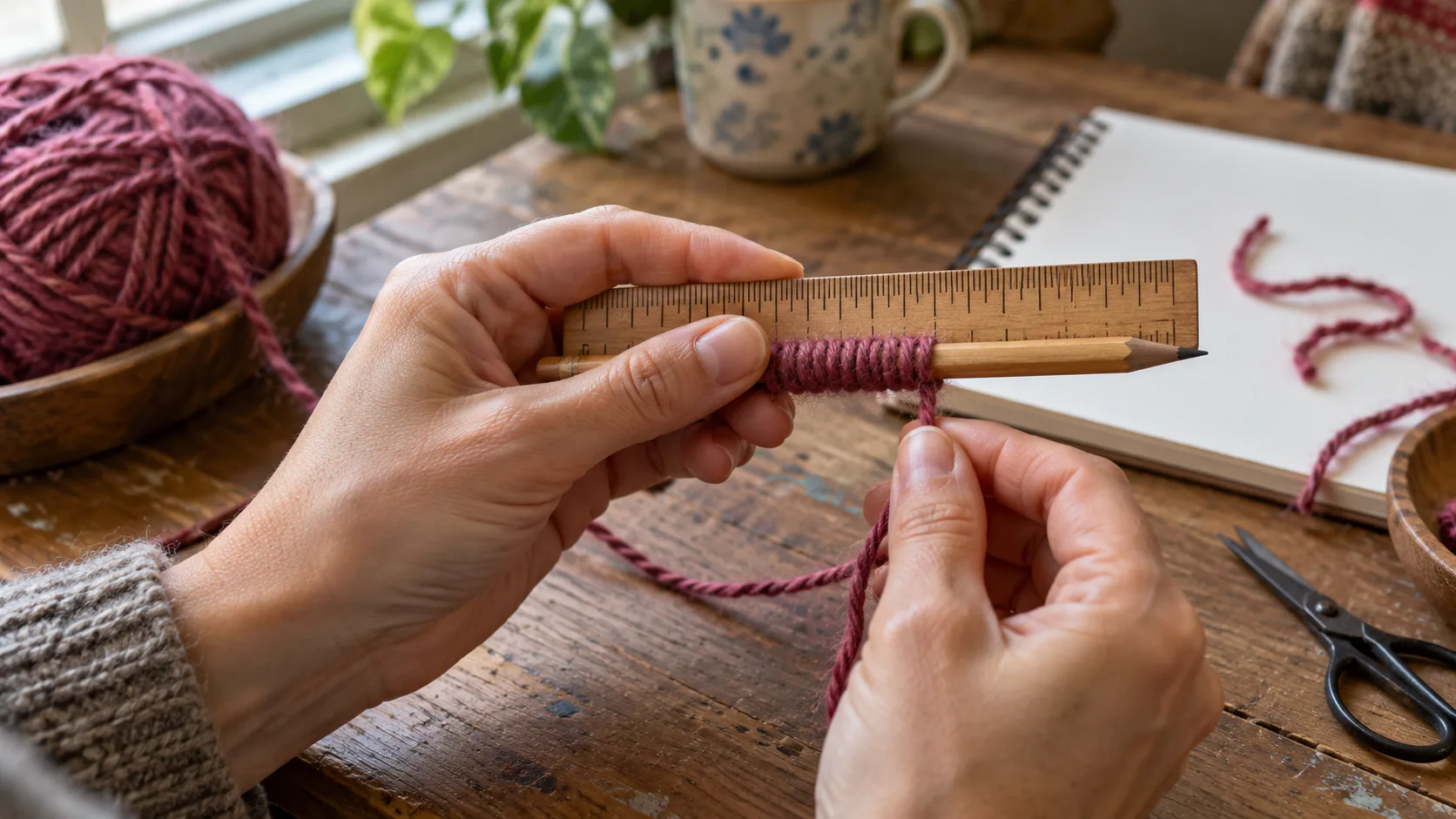
Wraps per inch: how to estimate the weight of unlabelled yarn
Measure wraps per inch with a pencil and ruler, read the result against the Craft Yarn Council chart, and see why WPI gives an approximate thickness category but never a yarn's length.
How Skeinote decides what to publish
A yarn enters the catalogue only when the maker’s own page prints its yardage and skein weight. We copy the figures exactly, keep the maker’s wording for the weight, record the date, and re-check when a page changes. Missing figures stay missing. Read the full method.